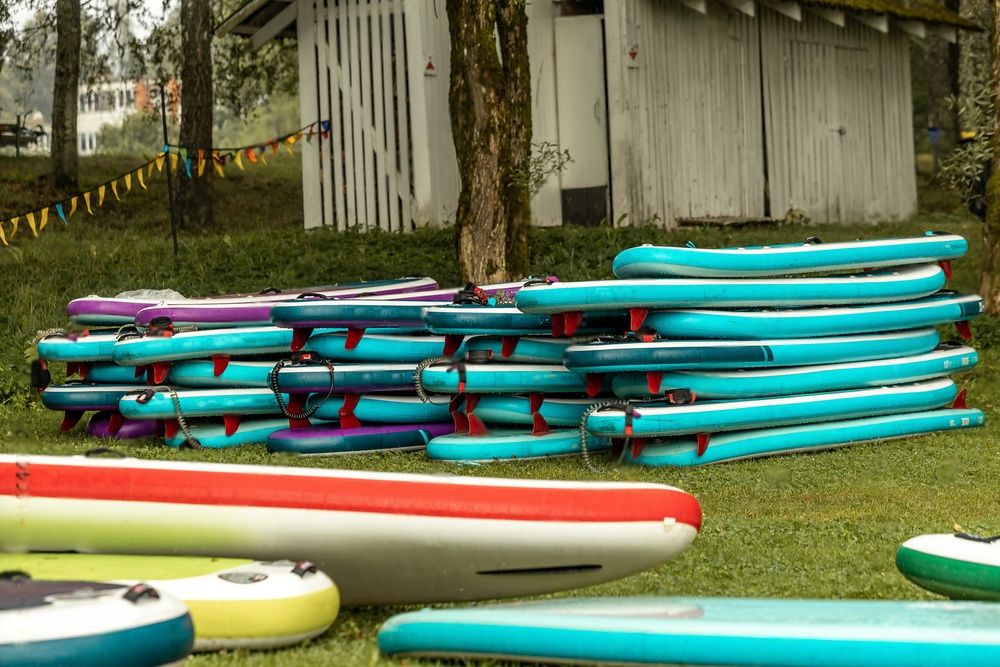
Paddle-boarding enthusiasts often cherish the serene connection with nature while gliding across the water. As such, it is only natural for many paddle-boarding enthusiasts to embrace eco-friendly practices.
Being eco-conscious goes beyond the board; it extends to the accompanying accessories. This article will explore various eco-friendly paddle board accessories that you can purchase as an eco-friendly enthusiast. Consequently, the widespread use of such products can positively influence the sustainability of the ecosystem.
Paddle Board Accessories That Can Contribute to the Sustainability of the Ecosystem
Prioritizing sustainability in the choice of accessories complements can contribute to preserving the natural beauty of waterways and marine environments. Some of the paddle board accessories that support a sustainable ecosystem are:
#1. Recyclable Paddles
When shopping for paddles, look for ones made from bamboo or reclaimed wood. These materials significantly reduce the environmental impact compared to traditional materials like plastic. Apart from this, bamboo paddles are much more durable, functional, and aesthetically pleasing.
#2. Biodegradable Leashes
Consider opting for leashes made from biodegradable materials instead of conventional synthetic options. These leashes break down naturally over time, reducing the amount of plastic pollution that ends up in oceans and waterways.
#3. Eco-Friendly PFDs
Personal Flotation Devices (PFDs) made from eco-friendly materials or using sustainable manufacturing processes are increasingly available. Choose PFDs made from recycled materials or those certified by environmental standards to minimize their ecological footprint.
#4. Sustainable Deck Bags
Deck bags are essential for storing personal items while paddle boarding. Select bags made from eco-friendly materials like organic cotton, recycled nylon, or hemp. Such deck bags are durable and environmentally conscious alternatives.
#5. Natural Wax for Board Maintenance
When maintaining your paddle board, consider using natural wax products made from organic or non-toxic materials. These waxes offer effective protection for your board while being environmentally friendly and biodegradable.
#6. Cork or Natural Fiber Traction Pads
Traction pads made from cork or natural fibers are excellent alternatives to traditional foam pads. These materials provide grip when standing on the board and are more sustainable and biodegradable compared to foam alternatives.
#7. Sustainable Fin Options
Explore recyclable or bio-resins. These eco-friendly alternatives offer the necessary functionality while minimizing the environmental impact associated with their production.
#8. Eco-Conscious Repair Kits
In case of damage to your paddle board, opt for repair kits that utilize eco-friendly materials or adhesives. These kits often contain non-toxic, environmentally safe components that can effectively mend minor damages without harming the environment.
#9. Biodegradable Cleaning Products
When cleaning your paddle board and accessories, choose biodegradable and non-toxic cleaning products. These environmentally friendly solutions effectively remove dirt and grime without introducing harmful chemicals into aquatic ecosystems.
#10. Paddle Boards
Eco-friendly paddle boards are crafted using sustainable materials like bamboo, recycled plastics, and natural resins. Using these materials reduces environmental impact during manufacturing.
Bottom Line
Before purchasing accessories, research brands committed to sustainability and environmental responsibility. Additionally, consider supporting initiatives that promote clean waterways and marine conservation efforts. Together, these small steps can lead to a sustainable and eco-friendly paddle-boarding experience for present and future enthusiasts alike.